
18/0 Stainless Steel and 420 Stainless Steel: Manufacturing, Applications, and Service Considerations
Views: 4 Author: Allen Xiao Publish Time: 2025-03-29 Origin: Hi, I am the author of this post and I have been working in this field for over 20 years. I handle on-site production issues, product design optimization, rapid manufacturing and initial price evaluat


Stainless steel is widely used in various industries due to its corrosion resistance, durability, and versatility. Among the numerous grades available, 18/0 stainless steel and 420 stainless steel stand out for their distinct properties and applications. This article provides an in-depth look at the manufacturing processes, customer considerations, and the role of companies like Jucheng Precision in delivering high-quality stainless steel products.
content:
1. Manufacturing Perspectives on 18/0 and 420 Stainless Steel
2. Customer Considerations: Choosing Between 18/0 and 420 Stainless Steel
3. Jucheng Precision’s Role in Stainless Steel Processing
4.Conclusion
1. Manufacturing Perspectives on 18/0 and 420 Stainless Steel
1.1 Composition and Key Properties
18/0 Stainless Steel
Composition: 18% Chromium, 0% Nickel, with iron as the primary base.
Corrosion Resistance: Moderate resistance due to its chromium content, though lower than nickel-containing grades.
Magnetic Properties: Being ferritic, 18/0 stainless steel is magnetic, making it suitable for induction cookware.
Workability: Easily stamped, cut, and formed, making it ideal for consumer goods such as kitchenware and appliances.
Durability: Offers a balance between strength and formability but is less corrosion-resistant than 18/8 or 18/10 stainless steel.
420 Stainless Steel
Composition: 12-14% Chromium, up to 0.35% Carbon, trace amounts of Manganese and Silicon.
Corrosion Resistance: Moderate to good, with improved resistance in hardened conditions.
Hardness & Strength: One of the hardest stainless steels when heat-treated, reaching up to 50 HRC.
Wear Resistance: Excellent due to high carbon content, making it ideal for cutting tools and surgical instruments.
Magnetic Properties: Like 18/0, 420 stainless steel is also magnetic.
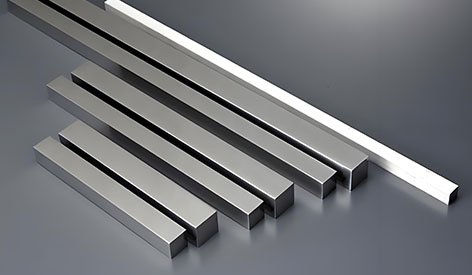
1.2 Manufacturing Processes
Melting and Alloying
The manufacturing of both 18/0 stainless steel and 420 stainless steel begins with melting raw materials in an electric arc furnace. The precise amounts of chromium, iron, carbon, and other elements are controlled to achieve the desired properties.
Hot and Cold Rolling
18/0 Stainless Steel: Typically cold-rolled to achieve a smooth finish for cookware and decorative applications.
420 Stainless Steel: Often hot-rolled first, followed by heat treatment to achieve the required hardness.
Annealing and Hardening
18/0 Stainless Steel: Annealed to enhance ductility and corrosion resistance.
420 Stainless Steel: Requires hardening and tempering to achieve its full strength and wear resistance.
Finishing Treatments
Common finishes include:
Polishing (both grades): Enhances aesthetic appeal and smoothness.
Passivation (for 420 stainless steel): Improves corrosion resistance by removing surface contaminants.
Coatings: Can be applied to enhance durability, especially for 18/0 stainless steel used in kitchen environments.
2. Customer Considerations: Choosing Between 18/0 and 420 Stainless Steel
2.1 Applications and Suitability
18/0 Stainless Steel Uses
Cookware & Kitchen Utensils: Popular for cutlery, trays, and induction-compatible cookware.
Appliances: Used in decorative trims and lightweight components.
Architectural Uses: Suitable for indoor structures where corrosion resistance is less critical.
420 Stainless Steel Uses
Cutlery & Blades: Preferred for knives due to its high hardness and sharpness retention.
Medical Instruments: Used in surgical tools that require sterilization and sharp edges.
Industrial Applications: Suitable for ball bearings, molds, and certain mechanical components.
2.2 Cost and Performance Comparison
Corrosion Resistance: 18/0 stainless steel is superior in humid and mild environments, whereas 420 stainless steel is better suited for applications requiring high wear resistance.
Strength & Durability: 420 stainless steel is significantly harder and stronger due to its high carbon content.
Price Considerations: 18/0 stainless steel is more cost-effective for general applications, whereas 420 stainless steel commands a higher price due to its strength and precision applications.
2.3 Limitations and Challenges
18/0 Stainless Steel: May discolor or rust in harsh conditions due to lack of nickel.
420 Stainless Steel: Brittle if not heat-treated properly, requiring precise processing.
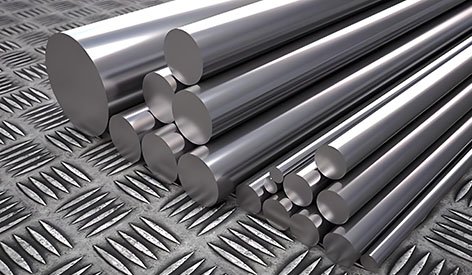
3. Jucheng Precision’s Role in Stainless Steel Processing
Jucheng Precision is a leader in providing high-quality 18/0 stainless steel and 420 stainless steel products for various industries. With expertise in advanced machining and metal processing, the company offers tailored solutions that meet stringent industry standards.
3.1 Custom Manufacturing Services
Precision Cutting & Forming: CNC machining and stamping ensure exact dimensions.
Surface Treatments: From mirror polishing to anti-corrosion coatings.
Heat Treatment Expertise: Ensuring optimal hardness for 420 stainless steel components.
3.2 Quality Control and Testing
Jucheng Precision follows rigorous testing standards to ensure product reliability:
Hardness and Tensile Strength Tests for 420 stainless steel.
Corrosion Resistance Analysis for 18/0 stainless steel.
Dimensional Inspections to maintain tight tolerances.
3.3 Industry-Specific Solutions
Jucheng Precision serves multiple industries by offering:
Food-Grade Stainless Steel for Kitchenware
High-Precision Metal Components for Medical Devices
Durable Stainless Steel Products for Industrial Applications
4.Conclusion
Both 18/0 stainless steel and 420 stainless steel offer unique advantages for different applications. While 18/0 stainless steel is an economical choice for kitchenware and decorative items, 420 stainless steel is ideal for high-strength and wear-resistant applications.
Manufacturing these materials involves precise alloying, heat treatment, and surface finishing processes. Companies like Jucheng Precision play a crucial role in delivering customized solutions, ensuring product durability, and meeting the highest industry standards. By offering tailored machining, quality control, and expert consultation, Jucheng Precision supports businesses in selecting the right stainless steel for their needs.

ㆍPrivacy: We respect your privacy. Here you can find an example of a non-disclosure agreement. By submitting this form, you agree to our terms & conditions and privacy policy.