
Advanced Techniques in Metal Processing and Heat Treatment
Views: 0 Author: Allen Xiao Publish Time: 2025-08-13 Origin: Site


The metalworking industry relies on a combination of advanced heat treatment methods, precise metallurgical techniques, and high-performance machinery to produce superior-quality materials. Among the most widely used metals are brass and stainless steel, each requiring specialized processes to achieve optimal mechanical properties. This article explores key methodologies such as annealing, rapid thermal processing, and induction heating, along with their applications in modern manufacturing.
content:
The Role of Annealing in Metal Softening
Rapid Thermal Processing for Precision Heating
Metallurgy: The Science Behind Metal Properties
Brass Machining: Techniques and Equipment
Achieving the Perfect Metal Finish
Induction Heating: Efficient and Controlled Energy Transfer
The Role of Annealing in Metal Softening
Annealing is a critical heat treatment process used to enhance the ductility and reduce the hardness of metals. By heating the material to a specific temperature and then cooling it slowly, internal stresses are relieved, and the grain structure is refined. This technique is particularly beneficial for brass, which often requires softening to improve machinability. The perfect annealing cycle depends on the alloy composition, with precise temperature control ensuring consistent results.
Rapid Thermal Processing for Precision Heating
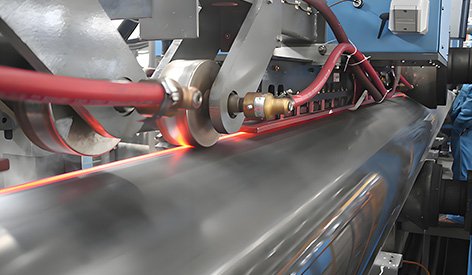
Unlike conventional methods, rapid thermal processing (RTP) involves ultra-fast heating and cooling cycles, enabling precise control over material properties. This technique is widely used in semiconductor manufacturing but has also found applications in metallurgy, particularly for thin metal sheets. RTP minimizes grain growth while maintaining structural integrity, making it ideal for high-performance stainless steel components that demand both strength and corrosion resistance.
Metallurgy: The Science Behind Metal Properties
Metallurgy is the backbone of metal processing, encompassing the study of microstructure, phase transformations, and mechanical behavior. Understanding the metallurgical properties of brass—a copper-zinc alloy—allows engineers to optimize its strength, conductivity, and corrosion resistance. Similarly, advancements in stainless steel metallurgy have led to the development of grades with enhanced durability for aerospace and medical applications.
Brass Machining: Techniques and Equipment
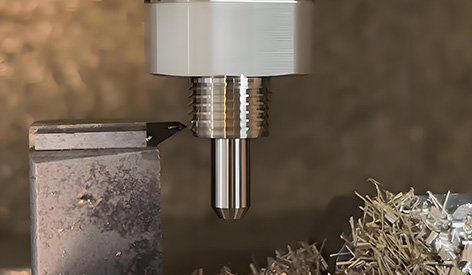
The machine for brass must be selected carefully to account for the material’s softness and tendency to work-harden. CNC machining, milling, and turning are common processes, with tool coatings reducing wear and improving surface finish. Achieving the perfect brass component requires balancing cutting speed, feed rate, and coolant usage to prevent deformation. Modern machine for brass setups often incorporate automated tool changers for high-efficiency production.
Achieving the Perfect Metal Finish
A flawless surface finish is essential in industries ranging from automotive to electronics. Processes such as polishing, electroplating, and passivation ensure that stainless steel components meet aesthetic and functional requirements. For brass, chemical treatments can enhance luster while preventing tarnishing. The perfect finish not only improves appearance but also extends the lifespan of metal parts by reducing friction and wear.
Induction Heating: Efficient and Controlled Energy Transfer
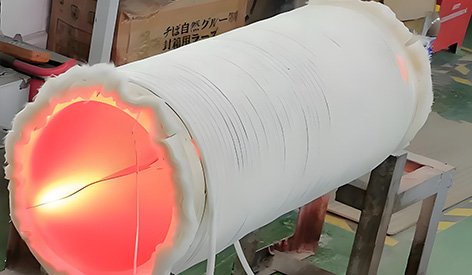
Induction heating is a non-contact method that uses electromagnetic fields to generate heat within conductive materials. This technology is highly efficient for hardening, brazing, and tempering stainless steel and other alloys. Since induction allows localized heating, it minimizes distortion and energy waste, making it a preferred choice for high-precision applications.
From annealing to rapid thermal processing, modern metalworking leverages advanced techniques to produce high-quality materials. The interplay between metallurgy, machinery, and heat treatment defines the success of manufacturing processes for brass and stainless steel. By optimizing each step—whether through the perfect machining setup or energy-efficient induction heating—engineers can achieve superior performance and durability in metal components.

ㆍPrivacy: We respect your privacy. Here you can find an example of a non-disclosure agreement. By submitting this form, you agree to our terms & conditions and privacy policy.