
Glass Fiber Composites: Mastering Wear, Strength, and Fiber Flow
Views: 4 Author: Allen Xiao Publish Time: 2025-09-29 Origin: Site


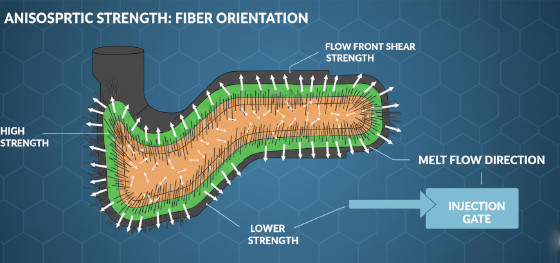
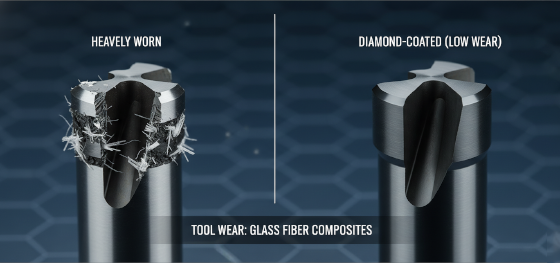
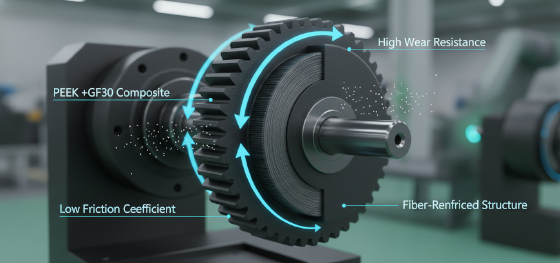
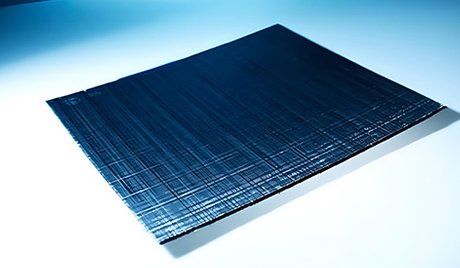
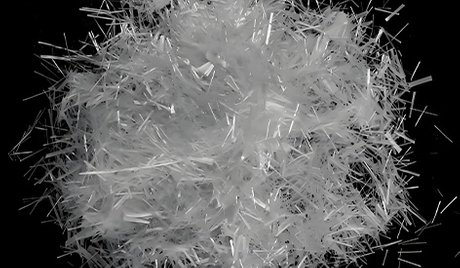
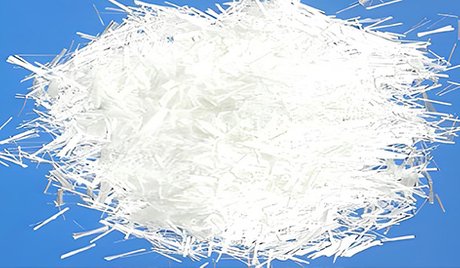
Glass fiber composites are one of the most transformative materials in modern manufacturing, offering the perfect solution for engineers needing metal-like strength and stiffness at a fraction of the weight. Successfully utilizing Glass Fiber Reinforced Composites—such as PA+GF30 (Nylon) and PEEK+GF—requires specialized strategies to manage the fibers' directionality, prevent tool wear, and ensure the final structural integrity of the component. The challenge for B2B procurement is recognizing that fiber-reinforced materials behave differently in every manufacturing process, from CNC Machining to Injection Molding. This guide explores the core technical principles required to harness the structural power of glass fibers for high-performance automotive and industrial applications. content: Glass fibers are added to thermoplastic resins (such as Nylon and Polycarbonate) to dramatically improve two core mechanical properties: stiffness and heat deflection temperature (HDT): Increased Stiffness and Strength: The rigid glass fibers prevent the plastic matrix from deforming under load, increasing the material's modulus of elasticity (stiffness) and tensile strength, making the composite suitable for replacing metal in many structural applications. Thermal Stability: The fibers resist thermal movement, raising the HDT. This allows the composite part to be used in high-temperature environments, such as automotive engine components, without warping or losing structural integrity. Reduced Shrinkage: The presence of glass fibers significantly reduces the material's natural thermal expansion and shrinkage during Injection Molding, which is critical for maintaining tight dimensional tolerances. The primary structural challenge of fiber-reinforced plastics is anisotropy: the strength of the material varies depending on the direction of the glass fibers: Fiber Alignment: During Injection Molding, the fibers align themselves parallel to the direction of the molten plastic flow (flow lines). Strength is maximized along the flow direction and minimized perpendicular to it. Warpage Risk: This directional difference in strength also causes differential shrinkage. Parts tend to shrink more across the fiber direction than along it, leading to unpredictable warping in components with thin walls or complex geometry. Structural DFM: Engineers must use Design for Manufacturing (DFM) analysis to strategically place gates and runners in the mold, ensuring the fiber flow aligns with the component's highest stress points for maximum structural support. The hardness of glass fibers makes them highly abrasive. This creates a significant challenge for CNC Machining, where tool wear can rapidly destroy the cutting edge: Tooling Necessity: Machining glass fiber composites requires specialized, high-cost tooling. Diamond-coated carbide tools are necessary to withstand the constant abrasion and maintain a sharp cutting edge longer than standard carbide. Surface Quality Trade-off: As the tool wears, it begins to rub the material instead of cleanly cutting the fibers. This rubbing generates excessive heat, which can smear the plastic matrix and leave exposed, rough glass fibers on the surface. Machining Strategy: The CNC strategy must prioritize high spindle speeds and aggressive feed rates to ensure the tool quickly cuts the fiber before it can cause excessive wear. This prevents thermal degradation of the plastic. For mass-produced parts, the Injection Molding strategy is the only way to manage fiber alignment and ensure consistency across the entire production run: Screw and Barrel Wear: The glass fibers are highly abrasive to the molding machine itself. Specialized, hardened screws and barrels are mandatory to withstand the wear caused by the fiber flow through the machine. Tooling Wear: The mold tool steel must be highly resistant to both abrasion and chemical corrosion. Mold gates and runners are often designed with replaceable inserts made of extremely hard materials to manage the concentrated wear caused by high-speed fiber flow. Weld Lines: Weld lines occur where two streams of plastic meet. Since fibers do not flow well across the weld line, this area is a significant weak point. DFM analysis must be used to place weld lines in non-critical, low-stress areas. The high-strength, lightweight properties of glass fiber composites make them indispensable in several high-performance applications: Automotive and EV: Used extensively for structural brackets, battery casings, and under-the-hood components that require high strength and dimensional stability at elevated operating temperatures. Wear Components: Components manufactured from materials like PA+GF30 and PEEK+GF are often used for bushings, bearing retainers, and gears, where the material must resist abrasion and fatigue under continuous motion. CNC Prototyping: For rapid functional prototypes, CNC Machining of thick composite sheet or rod stock is used to quickly verify design and strength before committing to Injection Molding tooling. Mastering glass fiber composites requires a manufacturing partner capable of managing the core trade-offs of anisotropy, tool wear, and material flow. Jucheng Precision Technology offers specialized CNC Machining and Injection Molding expertise, ensuring your fiber-reinforced components achieve predictable strength and optimal structural performance. Secure lightweight, high-strength composite components. Contact us today to discuss the optimal manufacturing strategy for your glass fiber reinforced prototypes and production runs.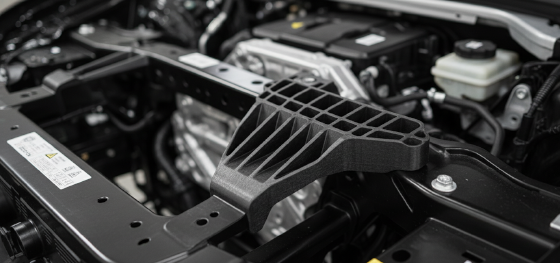
Material Structure: How Glass Fibers Create High-Strength Plastics
The Anisotropy Challenge: Managing Strength Variation by Fiber Flow
CNC Tool Wear: Strategies for Machining Highly Abrasive Composites
Injection Molding Strategy: Controlling Fiber Orientation for Peak Performance
Structural Applications: From Automotive Brackets to Wear Components
Material Structure: How Glass Fibers Create High-Strength Plastics

The Anisotropy Challenge: Managing Strength Variation by Fiber Flow
CNC Tool Wear: Strategies for Machining Highly Abrasive Composites
Injection Molding Strategy: Controlling Fiber Orientation for Peak Performance

Structural Applications: From Automotive Brackets to Wear Components

ㆍPrivacy: We respect your privacy. Here you can find an example of a non-disclosure agreement. By submitting this form, you agree to our terms & conditions and privacy policy.