
Automotive Lighting Prototype Manufacturing Guide
Views: 21 Author: Site Editor Publish Time: 2023-12-26 Origin: Site


Creating automotive lighting prototypes is a crucial step in the development of vehicle lighting systems. Here is a guide for manufacturing automotive lighting prototypes:
Define Objectives:
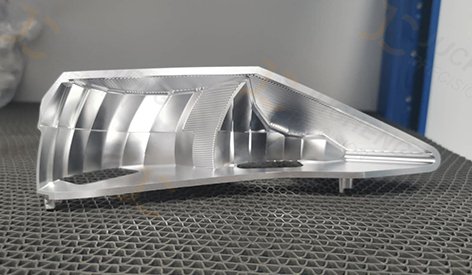
Clearly outline the purpose of the automotive lighting prototype.
Identify key features, specifications, and regulatory requirements.
Regulatory Compliance:
Familiarize yourself with automotive lighting regulations and standards.
Ensure that the prototype complies with safety and performance requirements.
Conceptualization:
Sketch initial design ideas for the lighting prototype.
Consider factors such as visibility, aesthetics, and energy efficiency.
Material Selection:
Choose materials that meet automotive safety standards.
Consider transparency, heat resistance, and durability for lens materials.
3D CAD Modeling:
Create a detailed 3D CAD model of the lighting prototype.
Use software to simulate light distribution and analyze the design.
Rapid Prototyping:
Utilize 3D printing or other rapid prototyping methods to create a physical model.
Evaluate the form, fit, and function of the lighting prototype.
Optical Simulation:
Perform optical simulations to analyze light distribution and intensity.
Optimize the design for optimal visibility and compliance with regulations.
Functional Testing:
Integrate the lighting prototype with relevant components.
Conduct functional tests to ensure proper illumination and performance.
User Feedback:
Gather feedback from potential users and stakeholders.
Consider aesthetics, user experience, and any suggestions for improvement.
Design Iterations:
Make necessary design adjustments based on feedback and testing results.
Iterate the prototyping process to refine the automotive lighting design.
Material Refinement:
Explore different materials for housing, lenses, and internal components.
Consider factors like color, texture, and surface finish.
Durability Testing:
Subject the prototype to durability testing, including vibration and thermal cycling.
Ensure that the lighting system can withstand harsh automotive environments.
Assembly Considerations:
Evaluate the ease of assembly for the lighting system.
Ensure compatibility with manufacturing processes for mass production.
Cost Analysis:
Analyze the cost implications of manufacturing the lighting system.
Consider scalability for mass production while maintaining quality.
Documentation:
Maintain detailed documentation throughout the prototyping process.
Document design changes, material specifications, and testing results.
Supplier Selection:
Identify potential suppliers for mass production.
Consider their capabilities, certifications, and reputation.
Final Validation:
Conduct a final validation of the automotive lighting prototype.
Ensure it meets all design specifications, regulations, and quality standards.
Transition to Manufacturing:
Collaborate with manufacturing partners for mass production.
Provide them with the finalized design and documentation.
Post-Market Surveillance:
Establish a plan for monitoring the lighting system's performance in the market.
Address any issues that may arise post-launch.
By following this guide, you can navigate the automotive lighting prototype manufacturing process effectively, ensuring that the final product meets regulatory standards, user needs, and design specifications.

ㆍPrivacy: We respect your privacy. Here you can find an example of a non-disclosure agreement. By submitting this form, you agree to our terms & conditions and privacy policy.