
Proper bed cleaning is essential for successful 3D printing, ensuring strong adhesion and high-quality prints. Whether you're using FDM, SLA, or industrial-grade DMLS printing systems, maintaining a clean build surface prevents defects and extends equipment life. This comprehensive guide covers best practices for cleaning various 3D printer beds while highlighting specialized considerations for different technologies.
Understanding 3D Printing Bed Surfaces
Modern 3D printers utilize diverse build plate materials, each requiring specific cleaning approaches:
Understanding 3D Printing Bed Surfaces
Modern 3D printers utilize diverse build plate materials, each requiring specific cleaning approaches:
- Glass beds offer smooth surfaces but show oils prominently
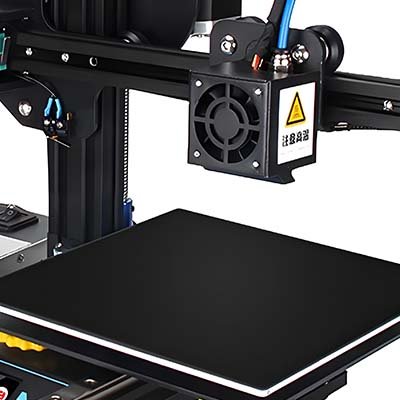
- PEI sheets provide excellent adhesion but degrade with improper cleaning
- Textured powder-coated plates require gentle cleaning to preserve microstructure
- DMLS printing metal beds need specialized post-processing to remove sintered particles
The cleaning frequency depends on usage intensity, with high-throughput 3D printing workbench setups requiring daily maintenance compared to hobbyist machines.
Step-by-Step 3D Printing Bed Cleaning Process
1. Cool Down and Initial Inspection
Always allow the bed to cool below 40°C before cleaning. Thermal shock can damage glass and coated surfaces. Inspect for:
- Plastic residue
- Glue or adhesive buildup
- Scratches or surface damage
- Warping (especially in DMLS printing beds after high-temperature sintering)
2. Dry Cleaning Methods
For light contamination:
- Use a soft-bristle brush to remove loose particles
- Microfiber cloths effectively capture dust without scratching
- Compressed air (held 6+ inches away) clears debris from textured surfaces
3. Wet Cleaning Solutions
Different materials require specific cleaners:
| Surface Type | Recommended Cleaner | Avoid |
| Borosilicate Glass | 91% isopropyl alcohol | Acetone |
| PEI/PEX | 70% IPA diluted with water | Harsh solvents |
| Powder-Coated | Warm soapy water | Alcohols |
| DMLS Printing Metal | Industrial degreasers | Abrasives |
Application tips:
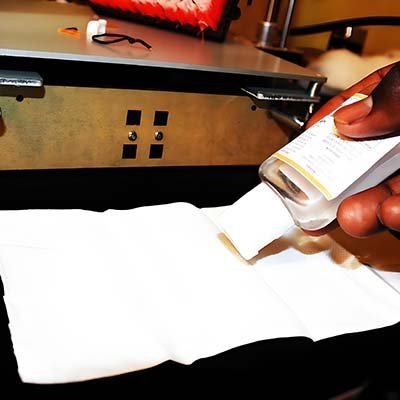
- Spray cleaner onto cloth, not directly on bed
- Wipe in concentric circles from center outward
- Change cleaning cloth sections frequently
4. Deep Cleaning Techniques
For stubborn residues:
5. Surface Reconditioning
Some surfaces benefit from periodic rejuvenation:
Special Considerations for Industrial Systems
DMLS printing demands rigorous bed maintenance due to:
Industrial 3D printing workbench protocols often include:
Advanced Maintenance Tips
For professional users:
Environmental and Safety Considerations
Proper cleaning involves: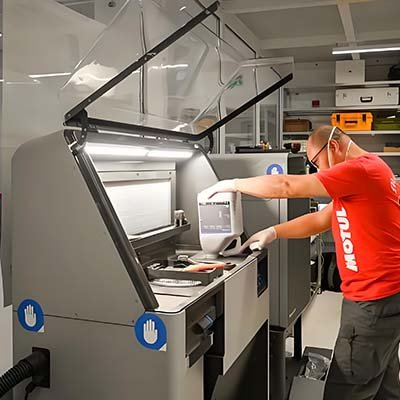
For stubborn residues:
- Adhesive removal: Heat bed to 60°C to soften glue, then scrape with razor blade at 45° angle
- DMLS printing beds: Ultrasonic cleaning with specialized solutions removes microscopic metal particles
- 3D printing workbench environments: Implement scheduled steam cleaning for production-grade equipment
5. Surface Reconditioning
Some surfaces benefit from periodic rejuvenation:
- PEI sheets: Light sanding with 400+ grit sandpaper restores adhesion
- Glass beds: Occasional seasoning with hairspray creates uniform coating
- Textured plates: Avoid abrasives that flatten microscopic features
Special Considerations for Industrial Systems
DMLS printing demands rigorous bed maintenance due to:
- Powder contamination risks affecting laser calibration
- Thermal stress from repeated heating cycles
- Conductive dust requiring explosion-proof vacuum systems
Industrial 3D printing workbench protocols often include:
- Automated bed cleaning stations
- Particle counters for quality control
- RFID-tagged build plates tracking usage history
- Using paper towels - leaves micro-scratches and lint
- Mixing chemicals - can create hazardous fumes
- Over-cleaning PEI - reduces surface energy over time
- Ignoring DMLS printing bed edges - where powder accumulates
- Storing cleaned beds improperly - leads to dust accumulation
Advanced Maintenance Tips
For professional users:
- Implement a cleaning log tracking frequency and methods
- Use antistatic brushes for sensitive electronics in 3D printing workbench areas
- Consider automated bed cleaning systems for production environments
- For DMLS printing, establish material-specific cleaning protocols
Environmental and Safety Considerations
Proper cleaning involves:
- Ventilation when using solvents
- Proper disposal of contaminated materials (especially metal powders from DMLS printing)
- PPE including nitrile gloves and safety glasses
- Grounding procedures for static-sensitive components
Frequency Recommendations
Adjust cleaning schedules based on usage:
If problems persist after cleaning:
The Future of 3D Printer Bed Maintenance
Emerging 3D printing technologies are revolutionizing cleaning processes:
Mastering how to clean 3D printing bed surfaces significantly improves print success rates across all technologies, from hobbyist FDM machines to industrial DMLS printing systems. By understanding material-specific requirements and implementing consistent cleaning routines, users can maintain optimal performance while extending equipment lifespan. Remember that proper maintenance is just as critical as calibration in achieving printing excellence, whether at a basic home setup or a professional 3D printing workbench environment.
Adjust cleaning schedules based on usage:
| Usage Level | Cleaning Frequency |
| Hobbyist (weekly prints) | Every 5-10 prints |
| Professional 3D printing workbench | Daily |
| DMLS printing industrial | After every build |
| Classroom/lab environment | Between users |
If problems persist after cleaning:
- Poor adhesion: Verify bed leveling and temperature settings
- Streaks: Switch to lint-free wipes and filtered alcohol
- DMLS printing defects: Check for powder contamination in recoater mechanism
- Cloudy surfaces: Use distilled water for final rinse
The Future of 3D Printer Bed Maintenance
Emerging 3D printing technologies are revolutionizing cleaning processes:
- Self-cleaning nano-coatings for industrial 3D printing workbench applications
- AI-powered inspection systems detecting microscopic contaminants
- Automated DMLS printing bed regeneration stations
- Sustainable cleaning solutions reducing environmental impact
Mastering how to clean 3D printing bed surfaces significantly improves print success rates across all technologies, from hobbyist FDM machines to industrial DMLS printing systems. By understanding material-specific requirements and implementing consistent cleaning routines, users can maintain optimal performance while extending equipment lifespan. Remember that proper maintenance is just as critical as calibration in achieving printing excellence, whether at a basic home setup or a professional 3D printing workbench environment.

Request Your DFM & Quote – Upload Your Drawings
ㆍFill in your requirements and upload your 2D&3D file, we will feedback your project quotation and DFM within 24 hours.ㆍFile types: STEP, STP, IGES, IGS, SLDPRT, 3DM, SAT or X_T files File size: < 128 MB Part size: < 1500*1500*1500 mm
ㆍPrivacy: We respect your privacy. Here you can find an example of a non-disclosure agreement. By submitting this form, you agree to our terms & conditions and privacy policy.
ㆍPrivacy: We respect your privacy. Here you can find an example of a non-disclosure agreement. By submitting this form, you agree to our terms & conditions and privacy policy.