
Drilling through stainless steel presents unique challenges that require specialized knowledge and tools. As one of the most durable metals used in manufacturing and construction, stainless steel demands precision techniques to avoid work hardening, excessive heat buildup, and premature tool wear. This comprehensive guide explores professional methods for how to drill stainless steel effectively while maintaining safety and achieving optimal results.
Understanding Stainless Steel Properties
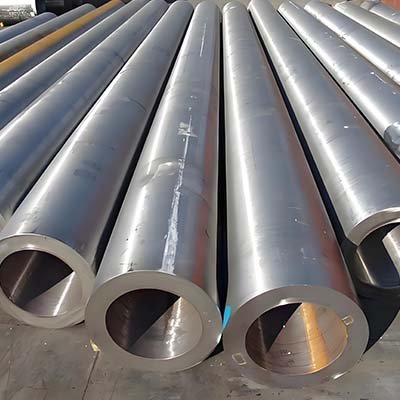
Before attempting to drill stainless steel, it's crucial to understand its material characteristics. Stainless steel contains chromium (typically 10.5% or more), which creates a protective oxide layer that resists corrosion but also increases hardness. The most common grades—304 and 316—have different machinability ratings, with 316 being more challenging due to its molybdenum content.
Understanding Stainless Steel Properties
Before attempting to drill stainless steel, it's crucial to understand its material characteristics. Stainless steel contains chromium (typically 10.5% or more), which creates a protective oxide layer that resists corrosion but also increases hardness. The most common grades—304 and 316—have different machinability ratings, with 316 being more challenging due to its molybdenum content.
The metal's tendency to work-harden during drilling operations means that improper technique can quickly transform the drilling area into an impenetrable surface. Additionally, stainless steel has low thermal conductivity, causing heat to concentrate at the cutting point rather than dissipating through the material. These factors necessitate specific drilling approaches to prevent tool failure and ensure clean holes.
Essential Tools for Drilling Stainless Steel
1. Drill Bit Selection
Cobalt (HSCO) or carbide-tipped drill bits are mandatory for stainless steel applications. Cobalt bits containing 5-8% cobalt alloy withstand the high temperatures generated during drilling and maintain their cutting edge longer than standard HSS bits. Carbide bits offer superior performance but are more brittle and require rigid setups.
2. Proper Lubrication Systems
Specialized cutting fluids are non-negotiable when drilling stainless steel. Sulfur-based or chlorinated cutting oils reduce friction, prevent work hardening, and extend tool life. For production environments, through-coolant drill bits provide superior heat management by delivering lubricant directly to the cutting surface.
3. Equipment Requirements
A drill press or milling machine provides the stability needed for consistent results. Hand drilling is possible for small projects but requires extreme care to maintain perpendicularity and proper feed pressure. Variable speed controls are essential—stainless steel requires slow rotational speeds with high torque.
Optimized Drilling Parameters
Speed and Feed Rates
The golden rule for how to drill stainless steel effectively: slow and steady wins the race. Recommended surface speeds:
Essential Tools for Drilling Stainless Steel
1. Drill Bit Selection
Cobalt (HSCO) or carbide-tipped drill bits are mandatory for stainless steel applications. Cobalt bits containing 5-8% cobalt alloy withstand the high temperatures generated during drilling and maintain their cutting edge longer than standard HSS bits. Carbide bits offer superior performance but are more brittle and require rigid setups.
2. Proper Lubrication Systems
Specialized cutting fluids are non-negotiable when drilling stainless steel. Sulfur-based or chlorinated cutting oils reduce friction, prevent work hardening, and extend tool life. For production environments, through-coolant drill bits provide superior heat management by delivering lubricant directly to the cutting surface.
3. Equipment Requirements
A drill press or milling machine provides the stability needed for consistent results. Hand drilling is possible for small projects but requires extreme care to maintain perpendicularity and proper feed pressure. Variable speed controls are essential—stainless steel requires slow rotational speeds with high torque.
Optimized Drilling Parameters
Speed and Feed Rates
The golden rule for how to drill stainless steel effectively: slow and steady wins the race. Recommended surface speeds:
- 30-60 SFM (surface feet per minute) for cobalt bits
- 60-120 SFM for carbide bits
For a 1/4" (6.35mm) cobalt bit, this translates to approximately 400-800 RPM. Smaller diameters require higher RPMs while maintaining proportional SFM.
Feed pressure should be firm and consistent—about 0.001-0.002" per revolution for smaller bits (<1/2"), increasing slightly for larger diameters. Insufficient feed pressure causes rubbing instead of cutting, accelerating work hardening.
Depth Considerations
For holes deeper than 2x bit diameter:
- Peck drilling (intermittent retraction) clears chips and allows coolant penetration
- Through-tool coolant delivery maintains temperature control
- Reduced feed rates prevent chip packing in deep flutes
Advanced Techniques for Professional Results
1. Pilot Hole Strategy
Creating a pilot hole with a 90-100° spotting drill (for cobalt bits) or 140° (for carbide) establishes proper centering and reduces walking. The pilot should be 10-20% of the final hole diameter.
2. Step Drilling Method
For holes larger than 1/2", progressively increase bit sizes in 1/8" increments. This reduces heat concentration and minimizes tool deflection.
3. Workpiece Preparation
Secure the material rigidly with clamps or vises. Place sacrificial backing (aluminum or mild steel) beneath the drilling point to prevent burr formation on exit. Center punch marks should be substantial—stainless steel's hardness makes shallow marks disappear during drilling.
Stainless Steel CNC Machining Considerations
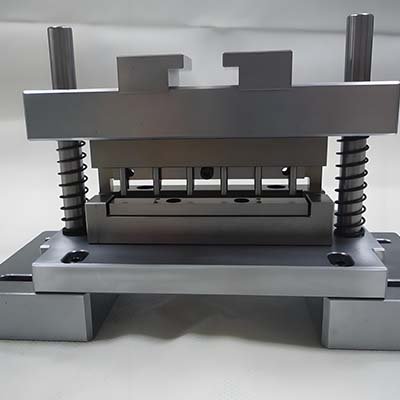
When addressing how to drill stainless steel in CNC applications, programmers must account for the material's unique properties through specific G-code adjustments. Rigid toolholding with hydraulic or shrink-fit chucks minimizes runout, while trochoidal milling techniques optimize tool life in high-volume production. Modern CNC machines equipped with torque monitoring can automatically adjust feed rates when encountering work-hardened zones, maintaining consistent chip load. Coolant-through spindle systems are particularly effective for stainless steel CNC operations, delivering high-pressure lubricant directly to the cutting interface to manage heat and evacuate chips efficiently.
Troubleshooting Common Drilling Problems
1. Excessive Heat Buildup
Symptoms: Discolored chips, smoking, rapid bit dulling
Solutions:
When addressing how to drill stainless steel in CNC applications, programmers must account for the material's unique properties through specific G-code adjustments. Rigid toolholding with hydraulic or shrink-fit chucks minimizes runout, while trochoidal milling techniques optimize tool life in high-volume production. Modern CNC machines equipped with torque monitoring can automatically adjust feed rates when encountering work-hardened zones, maintaining consistent chip load. Coolant-through spindle systems are particularly effective for stainless steel CNC operations, delivering high-pressure lubricant directly to the cutting interface to manage heat and evacuate chips efficiently.
Troubleshooting Common Drilling Problems
1. Excessive Heat Buildup
Symptoms: Discolored chips, smoking, rapid bit dulling
Solutions:
- Reduce RPM by 20%
- Increase feed pressure slightly
- Apply more cutting fluid
- Use shorter peck cycles
2. Premature Bit Failure
Symptoms: Chipped edges, broken flutes
Solutions:
- Verify bit material (must be cobalt or carbide)
- Check for proper point angle (135° optimal)
- Eliminate machine vibration
- Ensure perpendicular entry
3. Work Hardening
Symptoms: Suddenly increased resistance, shiny hardened surface
Solutions:
- Stop immediately and move to fresh material
- Use sharper bit with more aggressive rake angle
- Increase feed rate before hardening occurs
- Consider carbide tooling for severely hardened areas
Safety Protocols for Stainless Steel Drilling
The combination of high forces, sharp metal chips, and potential tool breakage demands strict safety measures:
- ANSI-approved eye protection with side shields
- Heat-resistant gloves when handling hot workpieces
- Machine guards on drill presses
- Chip deflectors for high-speed operations
- Proper ventilation when using aerosol coolants
Post-Drilling Processes
After successfully drilling stainless steel:
- Deburr holes immediately with carbide countersinks or specialized deburring tools
- Clean parts to remove cutting fluid residues that might cause corrosion
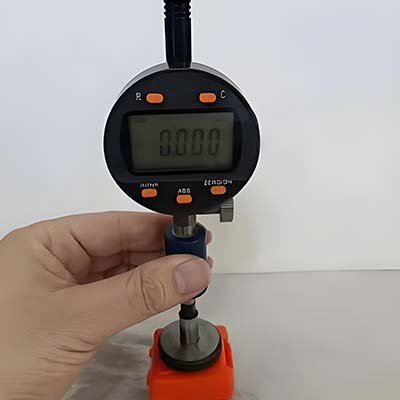
- Inspect holes with plug gauges for diameter verification
- Passivate drilled areas when maximum corrosion resistance is required
Economic Considerations
While learning how to drill stainless steel properly requires investment in quality tools, the long-term savings are substantial:
- Reduced tool replacement costs
- Minimized scrapped workpieces
- Increased production throughput
- Consistent hole quality eliminating secondary operations
Professional shops report 300-400% tool life improvement when switching from basic HSS to proper cobalt bits with optimized parameters.
Future Trends in Stainless Steel Drilling
Emerging technologies are transforming how to drill stainless steel more efficiently:
- Diamond-coated drill bits for extreme wear resistance
- Ultrasonic-assisted drilling reducing cutting forces
- Smart drills with embedded sensors for real-time parameter adjustment
- Advanced coolant formulations with nano-additives
By mastering these techniques and staying updated with technological advancements, metalworkers can tackle stainless steel drilling projects with confidence, achieving professional results across aerospace, medical, marine, and architectural applications. The key lies in respecting the material's properties, using proper tools, and maintaining disciplined operating parameters throughout the drilling process.

Request Your DFM & Quote – Upload Your Drawings
ㆍFill in your requirements and upload your 2D&3D file, we will feedback your project quotation and DFM within 24 hours.ㆍFile types: STEP, STP, IGES, IGS, SLDPRT, 3DM, SAT or X_T files File size: < 128 MB Part size: < 1500*1500*1500 mm
ㆍPrivacy: We respect your privacy. Here you can find an example of a non-disclosure agreement. By submitting this form, you agree to our terms & conditions and privacy policy.
ㆍPrivacy: We respect your privacy. Here you can find an example of a non-disclosure agreement. By submitting this form, you agree to our terms & conditions and privacy policy.