
How HDPE is Manufactured?
Views: 3 Author: Allen Xiao Publish Time: 2025-10-27 Origin: Site


High-density polyethylene (HDPE) is a versatile thermoplastic widely used in industrial and consumer products due to its strength, chemical resistance, and durability. Understanding how HDPE is manufactured provides insight into its role in modern fabrication. This article explores the production methods, processing techniques, and applications of HDPE, emphasizing factory-based material processing. We will delve into key aspects such as injection molding, blow molding, cutting methods, and custom fabrication, ensuring a comprehensive overview for industry professionals.
content:
What is HDPE Plastic?
Making the Raw Material: HDPE Manufacturing
Shaping HDPE into Cool Stuff
Cutting and Customizing HDPE
Where Do We See HDPE? All Kinds of HDPE Applications!
What is HDPE Plastic?
Imagine a super-strong, lightweight plastic that doesn’t mind getting wet and can handle bumps and chemicals without breaking. That’s HDPE plastic! The name is a bit of a mouthful—High-Density Polyethylene—but it just means the tiny molecules inside are packed together very tightly. This makes it perfect for making tough things like bottles, pipes, and toys.
Making the Raw Material: HDPE Manufacturing
So, how do you make HDPE? It all starts with a gas called ethylene. Think of tiny ethylene molecules as individual LEGO bricks. Scientists use a special helper called a catalyst (like a super glue for molecules) to stick all these LEGO bricks together into long, long chains. This process is called HDPE manufacturing.
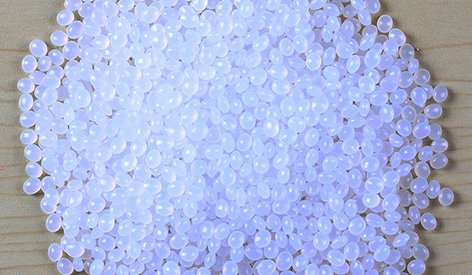
During this process, the plastic is heated up until it turns into a gooey, hot liquid called a plastic melt. Once these long chains are formed and the material cools down, it’s chopped into tiny plastic pellets. These pellets are the basic building blocks that factories use to make all kinds of HDPE products.
Shaping HDPE into Cool Stuff
Now for the fun part: shaping those pellets into useful objects! There are a few main ways to do this.
1. Injection Molding: Like a Waffle Iron for Plastic
Have you ever used a waffle iron? You pour in batter and close the lid, and out comes a waffle in a perfect shape. High density polyethylene injection molding works the same way!
Factories take the HDPE pellets, melt them back into that plastic melt, and then inject the hot goo into a metal mold under high pressure. It cools down quickly, and pop! You have a perfectly shaped item. This is how things like plastic lids, toy cars, and parts for machines are made very quickly and in huge numbers.
2. Blow Molding: Like Blowing Up a Balloon Inside a Mold
This is the method used to make hollow things, like bottles. It’s really cool! The machine first makes a hot tube of plastic (like a test tube made of the plastic melt). This tube, called a parison, is then dropped into a mold shaped like a bottle. Then, just like blowing up a balloon, air is pumped into it. The plastic pushes out against the sides of the mold, takes its shape, and cools down. This is how we get blow molded polyethylene products like milk jugs, shampoo bottles, and even big fuel tanks for cars.
Cutting and Customizing HDPE
Sometimes, you need to cut a big sheet of HDPE into a special shape. So, how to cut HDPE?
You can use tools like saws, but because plastic can get soft when it's hot, you have to be careful. Factories often use special machines with very sharp blades or even powerful water jets or lasers to cut it cleanly. This is a big part of custom plastic fabrication, where companies create special parts that aren't a standard shape, like a unique sign or a part for a custom machine.
Where Do We See HDPE? All Kinds of HDPE Applications!
You probably see HDPE applications all around you without even knowing it!
Packaging: This is a big one! Think of juice bottles, detergent containers, and grocery bags.
Pipes and Construction: HDPE pipes are great for carrying water because they don’t rust or corrode.
Toys and Home Goods: Many tough outdoor toys, picnic tables, and even some furniture are made from this durable plastic.
Recycling: HDPE is one of the easiest plastics to recycle! That number "2" inside the recycling symbol on a bottle? That's HDPE. It can be melted down and turned into new things like park benches and fencing.

From tiny pellets to the plastic melt and then into molds, the journey of HDPE is amazing. Whether it's through high density polyethylene injection molding to make solid objects or blow molded polyethylene to make bottles, this material is incredibly useful. Knowing how to cut HDPE and use it in custom plastic fabrication allows people to build almost anything they can imagine. So next time you pick up a plastic bottle or play on a plastic slide, you'll know a little bit about the science and engineering that made it possible.

ㆍPrivacy: We respect your privacy. Here you can find an example of a non-disclosure agreement. By submitting this form, you agree to our terms & conditions and privacy policy.