
Electroplating Equipment: Mastering Current Density Distribution
Views: 4 Author: Allen Xiao Publish Time: 2025-10-20 Origin: Site


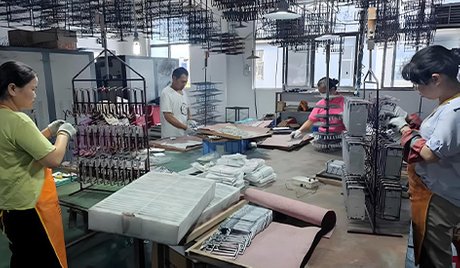
Purchasing raw chemical vats and attempting to run surface finishes internally represents the fastest way to bankrupt a hardware startup. Managing industrial electroplating equipment demands terrifying levels of thermodynamic mastery and millions of dollars in environmental permits. Engineers frequently assume throwing a machined metallic prototype into electrified acid yields a flawless shiny surface, completely ignoring the violent molecular physics occurring beneath the bubbling liquid.
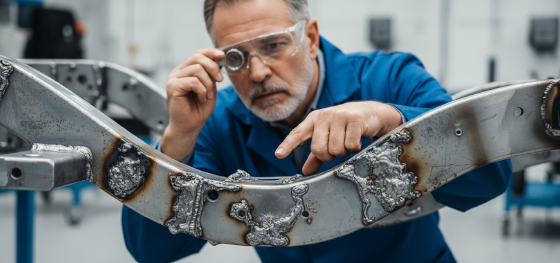
Operating toxic finishing lines requires stripping away fundamental misunderstandings regarding chemical deposition. Raw CNC Machining components naturally retain microscopic pools of slick cutting fluids. Dropping these contaminated blocks into heavy electrified tanks instantly poisons the expensive chemical bath, guaranteeing every subsequent part emerges covered in ugly, flaking metallic blisters.
Mastering aggressive Electroplating demands ruthless precision over microscopic dimensional growth. When an automated factory line deposits fifty microns of protective nickel onto a Stainless Steel pneumatic valve, the internal threaded holes physically shrink. Failing to mathematically compensate for this inevitable metallic swelling ensures your precision bearings will violently seize and fail on the final assembly line.
Bypassing these administrative and chemical nightmares requires partnering with heavily integrated facilities. Operating deep inside the Shenzhen precision manufacturing hub equips our veteran supply chain directors to manage these aggressive liquid processes entirely in-house. We protect your corporate treasury by delivering retail-ready, flawlessly coated geometries without forcing you to secure dangerous environmental operating licenses.
content:
Mastering Aggressive Current Density Distribution
Defeating Severe Chemical Bath Contamination
Surviving Brutal Toxic Waste Compliance
JUCHENG Hub: Dominating Surface Finishing
Frequently Asked Questions: Plating Physics
Mastering Aggressive Current Density Distribution
Will placing a metallic block into an electrified chemical vat naturally coat every single surface with perfectly uniform thickness?
Mathematically impossible. High electrical voltages aggressively concentrate around sharp exterior spikes and edges, violently starving deep internal pockets of critical chemical coverage.
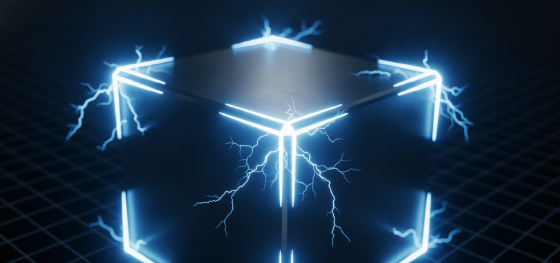
Understanding violent current density distribution separates elite finishing technicians from amateur garage operations. When executing premium chrome finishes over a raw ABS automotive grill, the electrical charge actively seeks the path of least resistance. Sharp ninety-degree corners naturally draw massive amounts of voltage, causing the metallic ions to rapidly stack up and form ugly, brittle metallic tumors.
Designing complex hardware entirely dictates how successfully the final component survives the plating tank. Intelligent mechanical engineers deliberately radius all sharp external edges to force the electrical current to flow smoothly across the entire geometry. Fixing burnt, heavily overgrown edges physically requires tearing the part off the rack and aggressively grinding the expensive metal away by hand.
Coating deep internal crevices demands highly specialized auxiliary anodes. Pushing heavy electrical current deep inside a hollow Aluminum cylinder requires technicians to physically suspend a secondary conductive rod straight down the middle of the bore. Calibrating industrial electroplating equipment to deliver this complex internal shielding prevents devastating bare-metal corrosion from destroying your pneumatic assemblies later.
Defeating Severe Chemical Bath Contamination
Can technicians safely plunge raw, freshly machined metal parts straight into a premium finishing tank?
Never. Microscopic residues of industrial cutting oils and human sweat instantly detach into the liquid, permanently destroying the fragile chemical balance of the entire thousand-gallon vat.
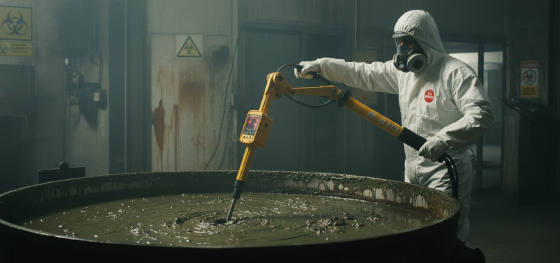
Preventing catastrophic chemical bath contamination requires enforcing ruthless cleanroom protocols across the entire shop floor. Running commercial electroplating equipment dictates that every single component must undergo aggressive ultrasonic degreasing and acidic neutralization before crossing into the main plating sector. Skipping this critical sterilization phase guarantees massive blistering and severe adhesion failure.
Utilizing highly porous manufacturing methods introduces terrifying chemical bleeding risks. Attempting to electroplate standard 3D Printing extrusions heavily traps boiling caustic acids deep inside the microscopic layer lines. Days after leaving the factory, these trapped acids violently bleed out onto the surface, permanently ruining the shiny metallic finish and causing horrific chemical burns.
Replacing depleted metallic ions actively drives your operational overhead upward. As the thousands of raw parts strip valuable copper or nickel molecules directly out of the liquid bath, automated sensors must violently inject expensive chemical replenishers to maintain the thermodynamic reaction. Failing to monitor these precise pH levels results in heavily oxidized, useless scrap metal.
| Surface Finishing Defect | Root Cause Analysis | Impact on Assembly | Factory Mitigation Strategy |
|---|---|---|---|
| Burnt Corner Nodules | Excessive localized current density | Prevents flat parts from mating | Heavily radius all sharp CAD corners |
| Flaking and Blistering | Trapped cutting oils on substrate | Total cosmetic and functional failure | Deploy strict ultrasonic chemical degreasing |
| Seized Internal Threads | Unexpected dimensional metallic growth | Bolts snap or instantly cross-thread | Deliberately oversize drilled holes before plating |
| Missing Deep Coverage | Faraday cage effect inside deep pockets | Severe hidden rust inside enclosures | Utilize specialized internal auxiliary anodes |
Surviving Brutal Toxic Waste Compliance
Can a startup simply pour exhausted plating chemicals down a standard industrial drain?
Never. Discharging heavy metals like hexavalent chromium or toxic cyanide directly into municipal water systems triggers massive federal lawsuits, immediate factory shutdowns, and severe criminal prosecution.
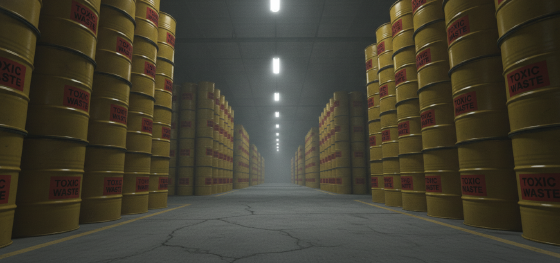
Securing expensive toxic waste compliance permits heavily degrades your venture capital runway. Running dedicated surface finishing vats produces terrifying amounts of highly hazardous chemical sludge. Facilities must build massive, multi-million-dollar wastewater treatment plants specifically designed to neutralize and extract these heavy metals before a single drop of water ever leaves the building.
Procuring certified third-party waste disposal contracts mathematically destroys lean manufacturing budgets. Buying your own electroplating equipment seems financially brilliant until the hazardous waste trucks arrive to haul away the poisoned sludge at exorbitant hourly rates. Hardware executives actively avoid these terrifying liabilities by outsourcing wet chemistry entirely to established, heavily permitted global partners.
Executing massive Die Casting orders frequently dictates centralized processing. Shipping thousands of raw zinc castings across town to a disconnected plating shop dramatically increases logistical costs and exposes the raw metal to severe atmospheric oxidation. Consolidating the entire heavy manufacturing lifecycle physically eliminates these expensive transportation bottlenecks.
JUCHENG Hub: Dominating Surface Finishing
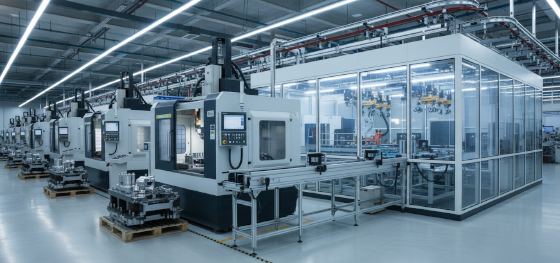
Why do elite automotive engineers heavily prefer integrated manufacturing hubs over isolated chemical shops?
Because splitting the production liability entirely ruins dimensional accountability. When coated parts fail inspection, the machinist blames the plating thickness, and the plater immediately blames the machinist's raw tolerances.
Partnering directly with Jucheng Precision resolves this toxic supply chain friction instantly. Submitting your massive Injection Molding or milling project triggers an immediate Design for Manufacturability (DFM) audit. We actively identify impossible blind holes and dangerous sharp corners before cutting any steel, ensuring the final chemical coating adheres flawlessly.
Centralizing your entire hardware ecosystem under our massive Shenzhen roof protects tight corporate deadlines. We aggressively calculate exact chemical thickness models directly into our CAM milling programs. Owning both the raw material cutting and the final liquid finishing processes guarantees absolute dimensional perfection from start to finish.
Frequently Asked Questions: Plating Physics
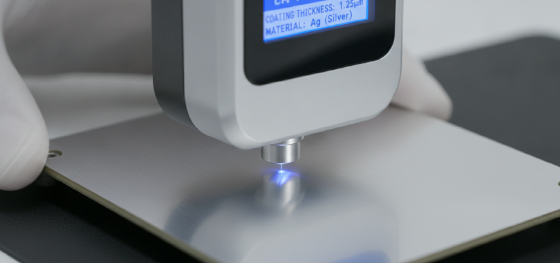
Does applying multiple thick layers of metal drastically improve overall part strength?
No. Chemical deposition only provides high surface hardness and severe corrosion resistance. The ultimate kinetic sheer strength and impact resistance remain entirely dictated by the monolithic density of the underlying raw substrate.
Why do threaded brass holes frequently seize up after undergoing chemical processing?
Electrochemical deposition physically grows distinct layers of heavy metal across the entire exterior surface, actively shrinking internal hole diameters. Precision programmers must deliberately oversize threaded holes during the initial milling phase to mathematically accommodate this inevitable metallic growth.
Is it possible to selectively coat only one specific half of a metallic enclosure?
Yes, but it heavily inflates manual labor costs. Technicians must meticulously hand-paint specialized chemical-resistant masking resins over the areas designated to remain raw metal. After the violent liquid process finishes, workers must peel this protective masking away entirely by hand.

ㆍPrivacy: We respect your privacy. Here you can find an example of a non-disclosure agreement. By submitting this form, you agree to our terms & conditions and privacy policy.