
How to Square a Block of Aluminum on Milling Machine
Views: 24 Author: Allen Xiao Publish Time: 2025-06-30 Origin: Site


Squaring a block of aluminum on a milling machine is a fundamental skill in metalworking, ensuring precise dimensions and smooth surfaces for further machining. This process requires careful setup, proper tool selection, and methodical execution to achieve accuracy. Whether you're using a precision CNC mill or a manual machine, mastering this technique is essential for creating high-quality parts.
content:
Understanding the Basics of Metal Milling
Choosing the Right Metal Milling Machine
Step-by-Step Process to Square an Aluminum Block
Tips for Achieving Precision
Understanding the Basics of Metal Milling
Metal milling involves removing material from a workpiece using rotary cutters to achieve a desired shape or surface finish. When squaring a block of aluminum, the goal is to create perfectly perpendicular faces relative to each other. This is crucial for parts that require tight tolerances, especially in CNC metal milling, where automated processes demand precise initial setups.
Choosing the Right Metal Milling Machine
The type of metal milling machine you use significantly impacts the outcome. A vertical mill is ideal for squaring aluminum blocks due to its stability and ease of operation. For smaller projects, a mini metal milling machine can be sufficient, though larger industrial mills provide better rigidity for heavy cuts. If you don’t own equipment, searching for metal milling near me can help locate workshops with the necessary tools.

Step-by-Step Process to Square an Aluminum Block
1. Secure the Workpiece
Begin by clamping the aluminum block firmly to the milling table. Use parallels underneath to elevate it and ensure even pressure to avoid distortion.
2. Select the Proper Cutting Tools
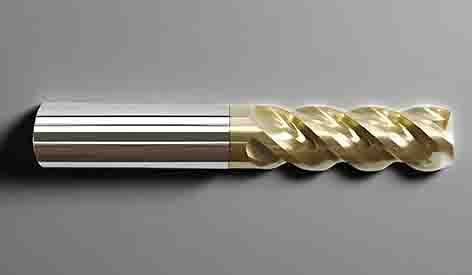
For aluminum, metal milling bits with sharp, high-speed steel (HSS) or carbide cutters work best. Milling drill bits for metal can also be used for smaller operations, but end mills are preferred for squaring.
3. Face Milling the First Side
Using a fly cutter or a face mill, take light passes across the top surface to create a flat reference plane. This first side will serve as the foundation for squaring the remaining faces.
4. Squaring Adjacent Sides
Rotate the block and mill the adjacent side perpendicular to the first. A precision square or dial indicator ensures accuracy. In custom metal milling, verifying angles at each step prevents cumulative errors.
5. Finishing the Remaining Faces
Repeat the process for the remaining sides, checking perpendicularity frequently. A metal lathe milling machine can sometimes assist in finishing edges, though a mill is typically more effective for squaring.
Tips for Achieving Precision
Use Coolant: Aluminum can gum up cutters, so applying coolant improves finish and tool life.
Light Cuts: Taking smaller depths of cut reduces deflection and improves accuracy.
Check Alignment: Regularly verify machine alignment, especially in precision CNC setups.
Squaring an aluminum block on a milling machine is a foundational skill that enhances the quality of machined parts. Whether using a mini metal milling machine or an industrial CNC metal milling system, proper technique ensures dimensional accuracy. For those without equipment, exploring metal milling near me or investing in custom metal milling services can provide professional results. With the right tools—such as metal milling bits and milling drill bits for metal—this process becomes straightforward, paving the way for more complex machining tasks.

ㆍPrivacy: We respect your privacy. Here you can find an example of a non-disclosure agreement. By submitting this form, you agree to our terms & conditions and privacy policy.