
Key Factors in Metal Injection Molding?
Views: 1 Author: Site Editor Publish Time: 2025-08-05 Origin: Site


Metal Injection Molding (MIM) has emerged as a premier manufacturing technology for producing complex, high-precision metal parts with excellent mechanical properties. Combining the flexibility of plastic injection molding with the strength of sintered metals, MIM is widely used in industries such as medical, aerospace, automotive, and consumer electronics. To achieve optimal results, several critical factors must be considered, including machine selection, service quality, process control, supplier reliability, mold design, material properties, part geometry, and liquid feedstock formulation.
content:
Machine: Precision and Repeatability
Service: Technical Support and Expertise
Process: Optimizing Sintering and Debinding
Suppliers: Reliability and Material Consistency
Mold: Design for Manufacturability
Materials: Selecting the Right Alloy
Parts: Complexity and Cost Efficiency
Liquid: Feedstock Preparation and Rheology
Machine: Precision and Repeatability
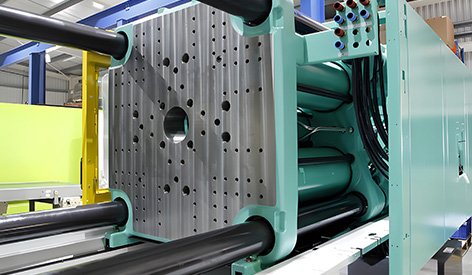
The foundation of successful MIM production lies in the injection molding machine. High-precision machines with advanced controls ensure consistent part quality, tight tolerances, and minimal defects. Key features to look for include robust clamping force, precise temperature regulation, and real-time monitoring capabilities. Hydraulic, electric, or hybrid machines each have advantages depending on production volume and part complexity. Proper machine maintenance is also crucial to prevent downtime and ensure long-term reliability.
Service: Technical Support and Expertise
Quality service from MIM providers can make or break a project. Manufacturers must partner with companies that offer comprehensive technical support, including design assistance, material selection guidance, and troubleshooting. Post-sintering services such as machining, plating, or heat treatment may also be required. A responsive service team helps optimize production efficiency, reduce lead times, and address any defects early in the process.
Process: Optimizing Sintering and Debinding
The MIM process involves multiple stages—mixing feedstock, injection molding, debinding, and sintering—each requiring precise control. Debinding must be carefully managed to avoid part distortion, while sintering parameters (temperature, atmosphere, and time) directly influence final density and mechanical properties. Advanced process monitoring, such as statistical process control (SPC), ensures consistency and minimizes scrap rates.
Suppliers: Reliability and Material Consistency
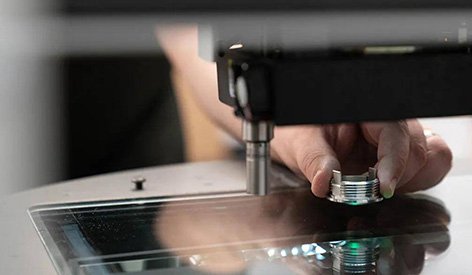
Choosing the right MIM feedstock suppliers is critical for maintaining part quality. High-quality metal powders and binders must meet strict specifications to ensure uniform flow during molding and predictable shrinkage during sintering. Suppliers should provide certified materials with batch-to-batch consistency and offer technical support for material-related challenges.
Mold: Design for Manufacturability
MIM molds must be precision-engineered to account for material shrinkage (typically 15-20%) and complex geometries. Multi-cavity molds improve efficiency but require careful balancing to ensure uniform filling. Proper venting, gate design, and cooling channels help prevent defects like voids or warpage. High-wear-resistant steels extend mold life, reducing long-term costs.
Materials: Selecting the Right Alloy
Material selection impacts part performance, cost, and manufacturability. Common MIM materials include stainless steels (17-4PH, 316L), low-alloy steels, titanium, and tungsten alloys. Each material has unique sintering requirements and mechanical properties. Binder formulation also plays a key role in achieving optimal rheology for injection molding.
Parts: Complexity and Cost Efficiency
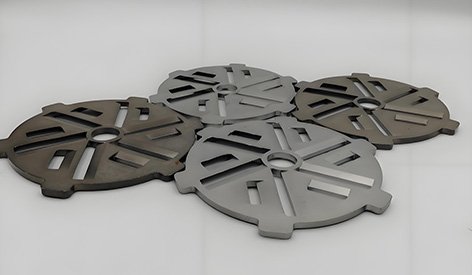
MIM excels at producing small, intricate parts with tight tolerances that would be costly or impossible to machine. Common applications include surgical instruments, firearm components, and micro-gears. Design for MIM (DFM) principles—such as uniform wall thickness and gradual transitions—help minimize defects and improve yield rates.
Liquid: Feedstock Preparation and Rheology
The liquid binder system in MIM feedstock must provide proper viscosity for molding while allowing complete debinding. Binders typically consist of waxes, polymers, or surfactants that are removed thermally or through solvent extraction. Homogeneous mixing of metal powder and binder ensures consistent flow properties, reducing injection defects.
Success in Metal Injection Molding depends on a holistic approach, integrating high-quality machines, expert service, optimized processes, reliable suppliers, precision molds, well-selected materials, and efficient part design. By focusing on these key factors, manufacturers can achieve high-performance, cost-effective MIM components that meet the demands of advanced industries. Continuous innovation in materials and process controls will further expand MIM's capabilities in the future.

ㆍPrivacy: We respect your privacy. Here you can find an example of a non-disclosure agreement. By submitting this form, you agree to our terms & conditions and privacy policy.