
How can Modern Machining Achieve Ultra-high Precision?
Views: 3 Author: Allen Xiao Publish Time: 2025-08-06 Origin: Site


The manufacturing industry continuously evolves, driven by the demand for higher precision, efficiency, and reliability. Among the most critical advancements is zero tolerance machining, a process that eliminates deviations, ensuring components meet exact specifications without post-processing adjustments. This technique is essential in aerospace, medical devices, and semiconductor manufacturing, where even micron-level errors can lead to catastrophic failures.
content:
High-Speed Machining for Superior Efficiency
Breakthroughs in Break-Resistant Materials
Expanding the Range of Machinable Materials
Press Fit Tolerances for Optimal Assembly
Profile Machining for Complex Geometries
Reverse Engineering for Legacy Components
Precision as the Foundation of Quality
Geometric Tolerancing for Functional Perfection
High-Speed Machining for Superior Efficiency
High-speed machining (HSM) leverages advanced spindle technologies and cutting tools to operate at significantly elevated speeds without sacrificing accuracy. By optimizing feed rates and reducing cycle times, HSM enhances productivity while maintaining tight tolerances. This approach is particularly beneficial for complex geometries and hardened materials, where traditional methods may fall short.
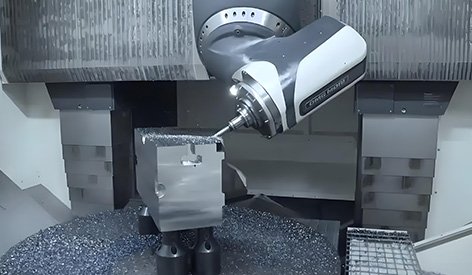
Breakthroughs in Break-Resistant Materials
Modern machining must account for material behavior under stress. Break-resistant alloys and composites are increasingly used in high-load applications, such as automotive and defense industries. Machining these materials requires specialized tooling and adaptive control systems to prevent tool wear and workpiece deformation.
Expanding the Range of Machinable Materials
The range of materials compatible with precision machining has dramatically expanded, including superalloys, ceramics, and advanced polymers. Innovations in tool coatings and coolant technologies enable manufacturers to work with these challenging substrates while maintaining dimensional stability and surface finish quality.
Press Fit Tolerances for Optimal Assembly
Press fit machining ensures interference-fit components achieve seamless integration without adhesives or fasteners. This method relies on precise hole and shaft tolerances, often requiring advanced metrology tools for validation. Applications range from bearing installations to electronic enclosures, where structural integrity is paramount.
Profile Machining for Complex Geometries
Profile machining utilizes multi-axis CNC systems to create intricate contours and freeform surfaces. This technique is indispensable in turbine blade production, mold making, and custom automotive parts. By combining high-speed milling with adaptive toolpaths, manufacturers achieve unparalleled accuracy in complex shapes.
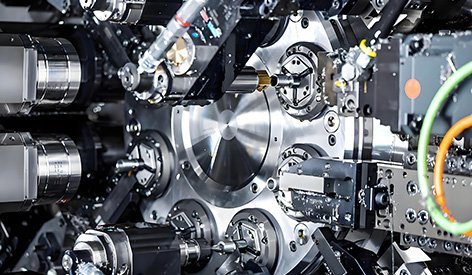
Reverse Engineering for Legacy Components
When original designs are unavailable, reverse engineering reconstructs components using 3D scanning and CAD modeling. This process is vital for restoring obsolete machinery or improving outdated designs. Advanced software converts point-cloud data into manufacturable blueprints, ensuring compatibility with modern production methods.
Precision as the Foundation of Quality
At the core of modern manufacturing lies precision machining, where tolerances often measure in micrometers. Achieving this level of accuracy demands rigid machine structures, temperature-controlled environments, and real-time monitoring systems. Industries like optics and microelectronics rely on these capabilities to produce defect-free components.
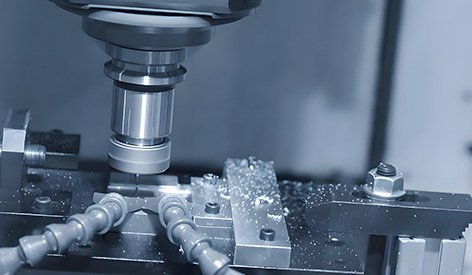
Geometric Tolerancing for Functional Perfection
Geometric dimensioning and tolerancing (GD&T) standardizes how parts are measured and inspected, ensuring they meet functional requirements. By defining permissible variations in form, orientation, and location, GD&T minimizes assembly issues and enhances product longevity.
As technology progresses, machining techniques will continue pushing the boundaries of what’s possible. From zero tolerance standards to high-speed operations and reverse engineering, innovation drives efficiency and reliability. Manufacturers who embrace these advancements will lead in producing next-generation components with unmatched accuracy and performance.

ㆍPrivacy: We respect your privacy. Here you can find an example of a non-disclosure agreement. By submitting this form, you agree to our terms & conditions and privacy policy.