
Which Metal is Best for Sheet Metal Fabrication?
Views: 2 Author: Allen Xiao Publish Time: 2025-08-04 Origin: Site


Sheet metal fabrication is a versatile manufacturing process used to create parts and structures from metal sheets. The choice of metal significantly impacts the project's durability, cost, and functionality. Different metals offer unique benefits, from corrosion resistance to electrical conductivity. Below, we explore the best metals for sheet metal fabrication, including stainless steel, brass, copper, dark bronze, aluminum, and magnetic metals.
content:
Stainless Steel: The Durable Choice
Brass: Aesthetic and Functional
Copper: High Conductivity and Flexibility
Dark Bronze: Strength with a Unique Finish
Aluminum: Lightweight and Versatile
Magnetic Metals: Essential for Electrical and Structural Uses
Choosing the Right Metal for Your Project
Stainless Steel: The Durable Choice
Stainless steel is a top choice for sheet metal fabrication due to its exceptional strength and corrosion resistance. Its chromium content forms a passive oxide layer, preventing rust and making it ideal for harsh environments. Common grades like 304 and 316 are widely used in food processing, medical equipment, and architectural applications. Stainless steel is weldable, formable, and maintains its structural integrity under high temperatures, though it can be more challenging to machine than softer metals.
Brass: Aesthetic and Functional
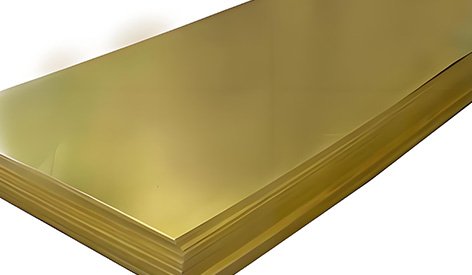
Brass, an alloy of copper and zinc, is valued for its gold-like appearance and excellent machinability. It is naturally antimicrobial, making it suitable for plumbing fixtures, musical instruments, and decorative elements. Brass sheet metal is easy to bend and cut, though it is softer than steel, which may limit its use in high-stress applications. Its low friction properties also make it ideal for gears and bearings.
Copper: High Conductivity and Flexibility
Copper is renowned for its superior electrical and thermal conductivity, making it essential for electrical components, heat exchangers, and roofing. Its malleability allows for intricate forming without cracking, though it can work-harden over time, requiring annealing for further shaping. Copper also develops a natural patina, which can be desirable for architectural designs but may require protective coatings in industrial settings.
Dark Bronze: Strength with a Unique Finish
Dark bronze, an alloy primarily of copper and tin, offers a rich, deep finish that enhances decorative and structural projects. It is stronger than brass and resists corrosion, especially in marine environments. Bronze sheet metal is often used in sculptures, bearings, and marine hardware. Its wear resistance and low metal-to-metal friction make it suitable for heavy-duty applications.
Aluminum: Lightweight and Versatile
Aluminum is a popular choice for sheet metal fabrication due to its light weight, corrosion resistance, and excellent strength-to-weight ratio. It is easy to machine, weld, and anodize, making it ideal for aerospace, automotive, and consumer electronics. While not as strong as steel, aluminum alloys like 6061 and 5052 provide sufficient durability for most industrial applications. Its recyclability also makes it an eco-friendly option.
Magnetic Metals: Essential for Electrical and Structural Uses
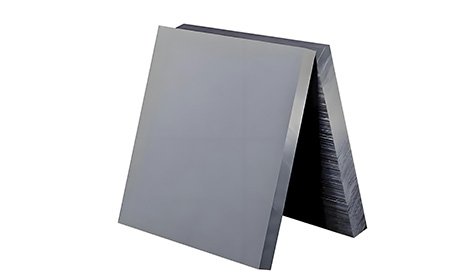
Magnetic metals, such as carbon steel and certain stainless steels (e.g., 430), are crucial for applications requiring magnetic properties. These metals are used in motors, transformers, and shielding applications. While ferrous metals are prone to rust, proper coatings can enhance their longevity. Their high tensile strength makes them suitable for structural frameworks and machinery.
Choosing the Right Metal for Your Project
Selecting the best metal for sheet metal fabrication depends on factors like strength requirements, environmental exposure, and budget. Stainless steel excels in durability, while aluminum offers lightweight flexibility. Copper and brass provide conductivity and aesthetic appeal, whereas dark bronze delivers a unique finish with added strength. Magnetic metals fulfill specialized industrial needs. Understanding these properties ensures optimal performance in any fabrication project.

ㆍPrivacy: We respect your privacy. Here you can find an example of a non-disclosure agreement. By submitting this form, you agree to our terms & conditions and privacy policy.